
Not a blog, but a journal — each piece selected for meaning, atmosphere, and the kind of insight that only comes from knowing a place deeply.
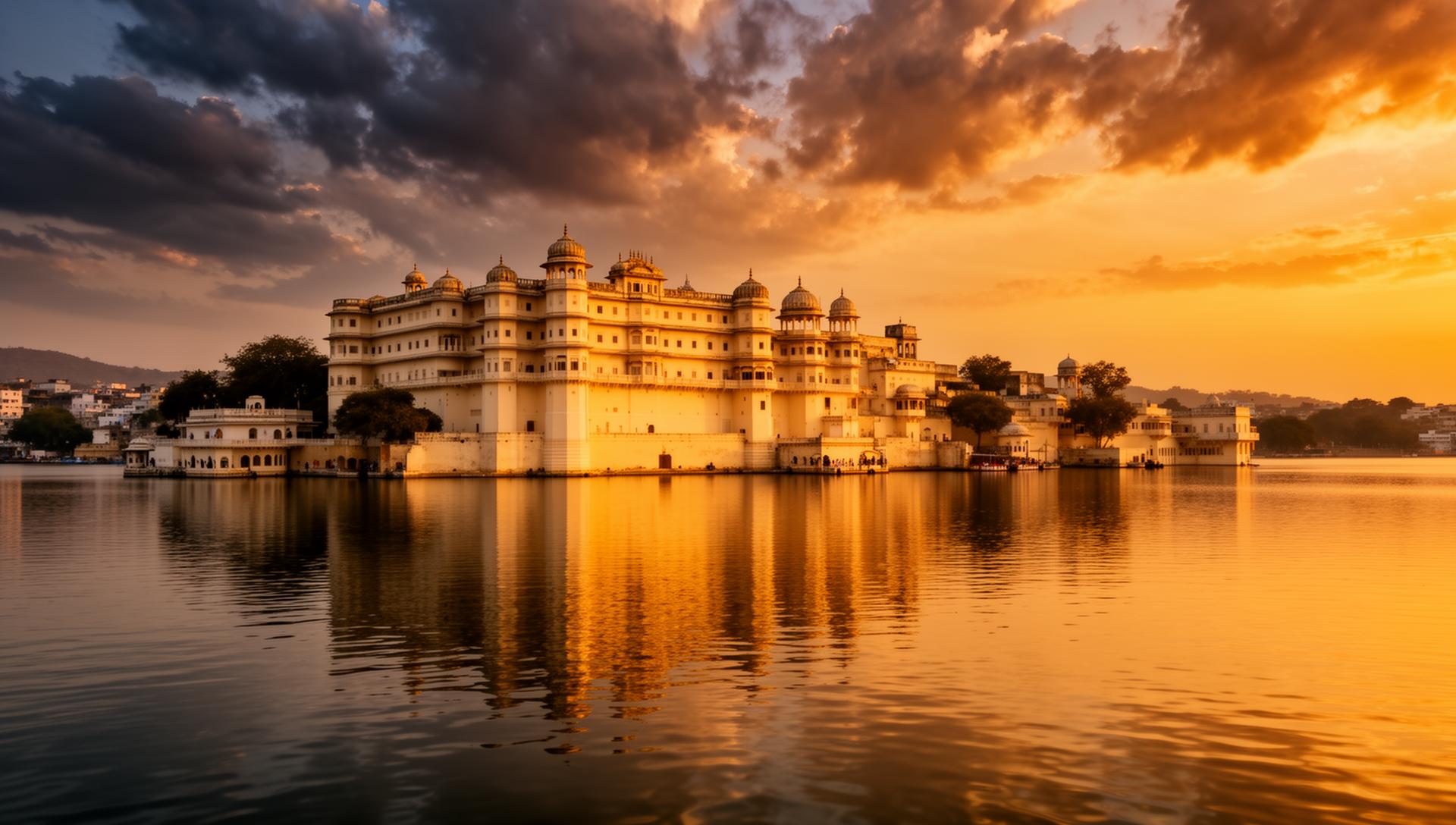
What a "palace wedding" actually includes — beyond the per-plate myth, beyond the brochure.
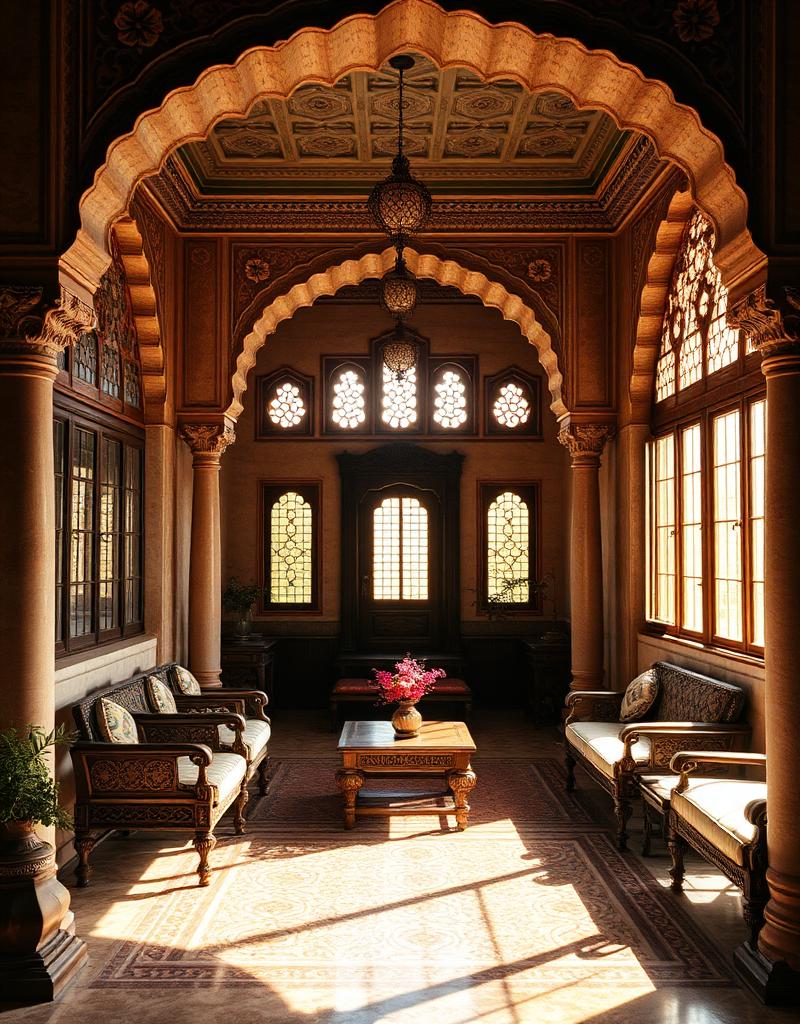
Pithi, mehfil, ganesh-sthapana — what each ritual is really for, told from inside a working haveli.
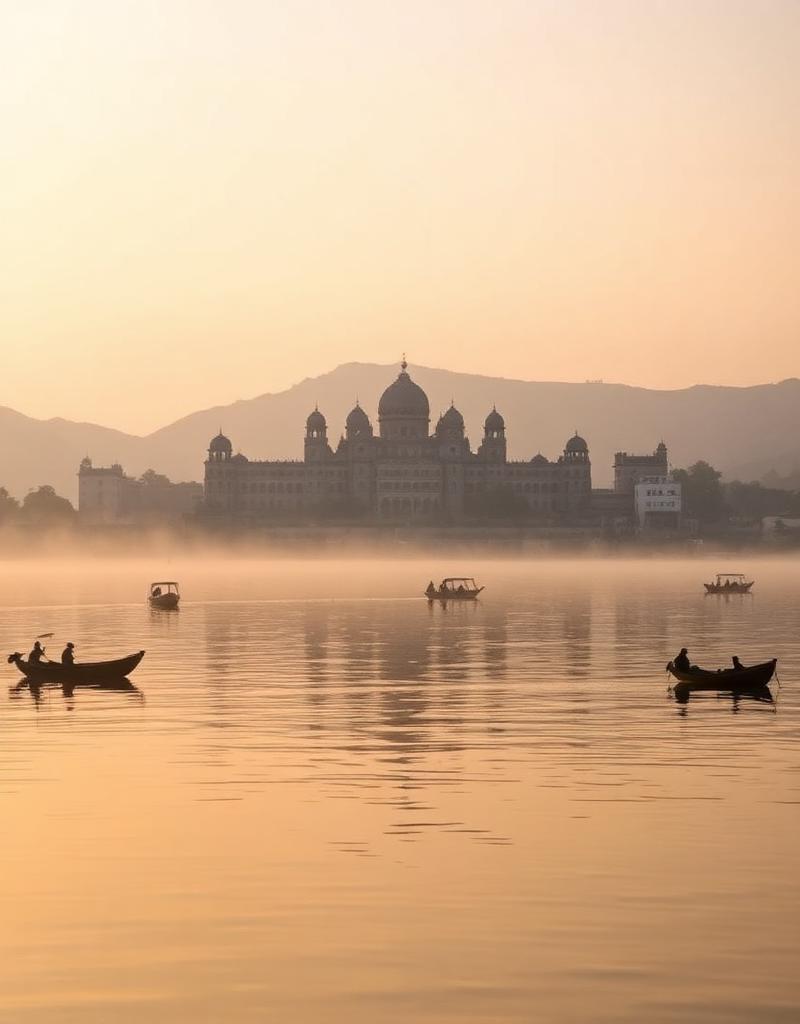
Light, lake levels, guest comfort, vendor pricing — the honest trade-offs nobody quite tells you.
Why under-fifty-guest weddings are quietly redefining how Udaipur is married in.
How each island sets a different emotional register — and which day belongs to which water.
How to stage a mehndi that feels like Mewar — and not a hotel ballroom dressed in marigolds.
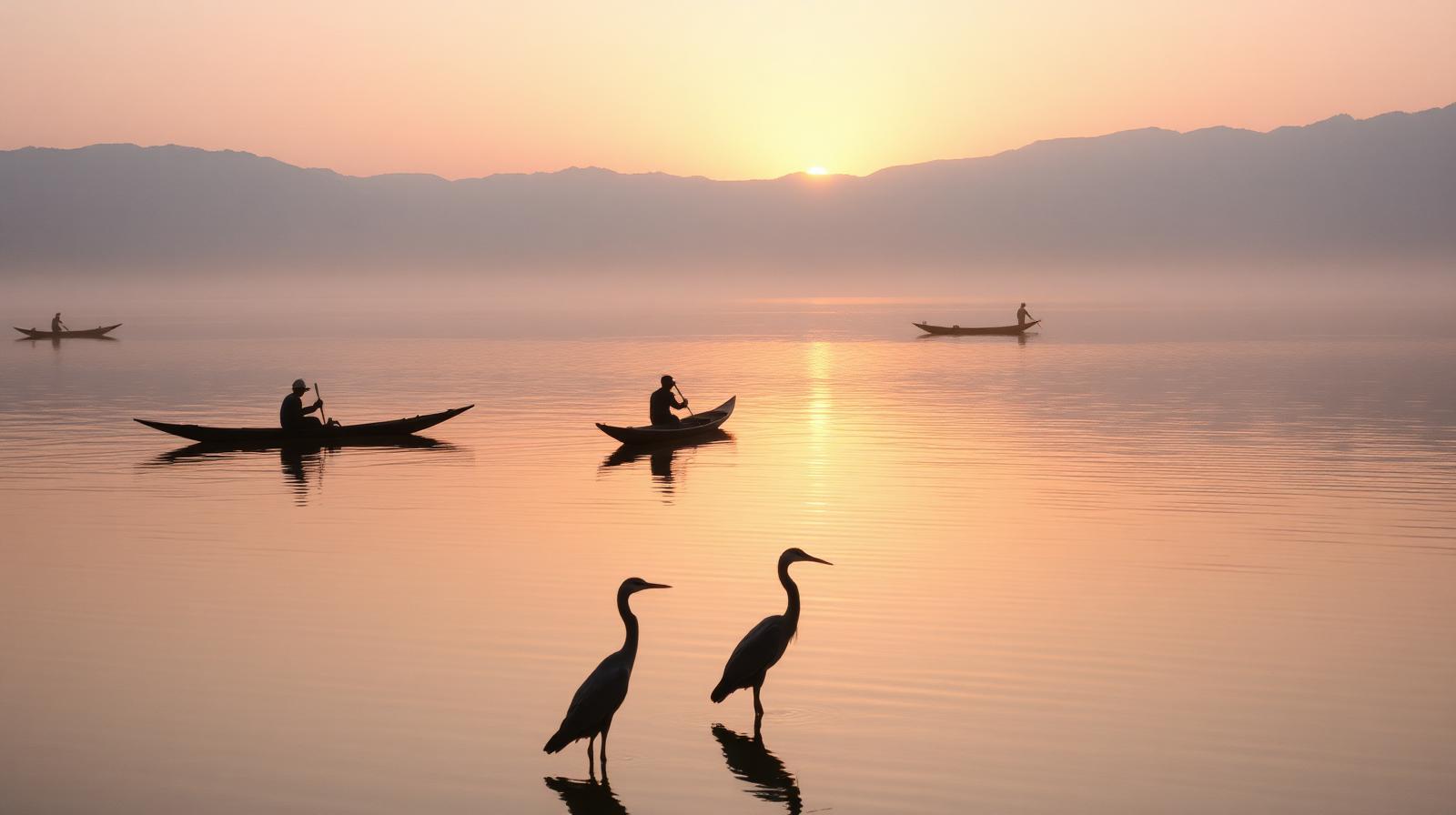
The 6am hour when the lake belongs to fishermen, herons, and a quiet that the city forgets by noon.
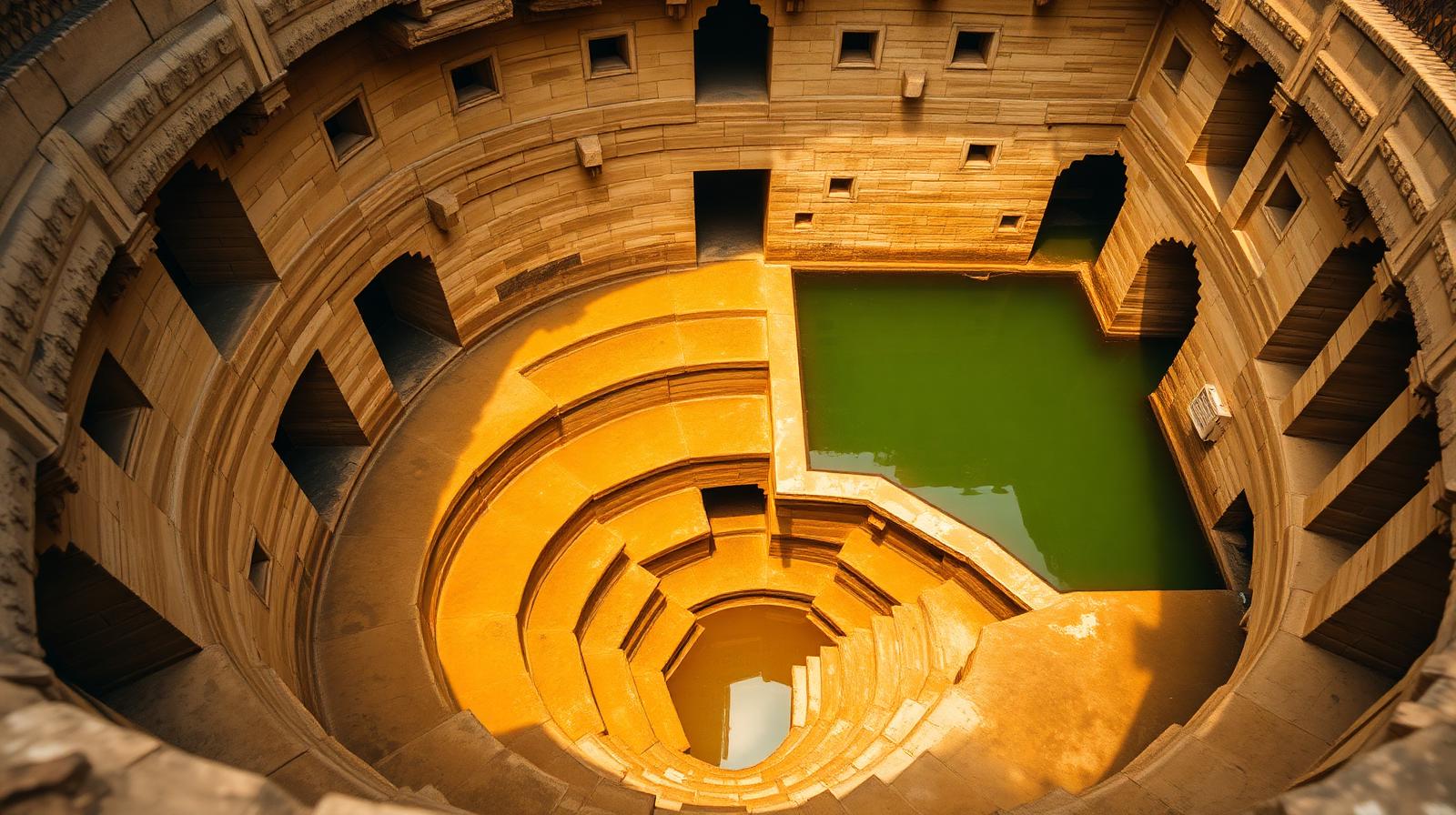
Five stepwells inside the old city most maps don’t mark — and the slow walk that joins them.
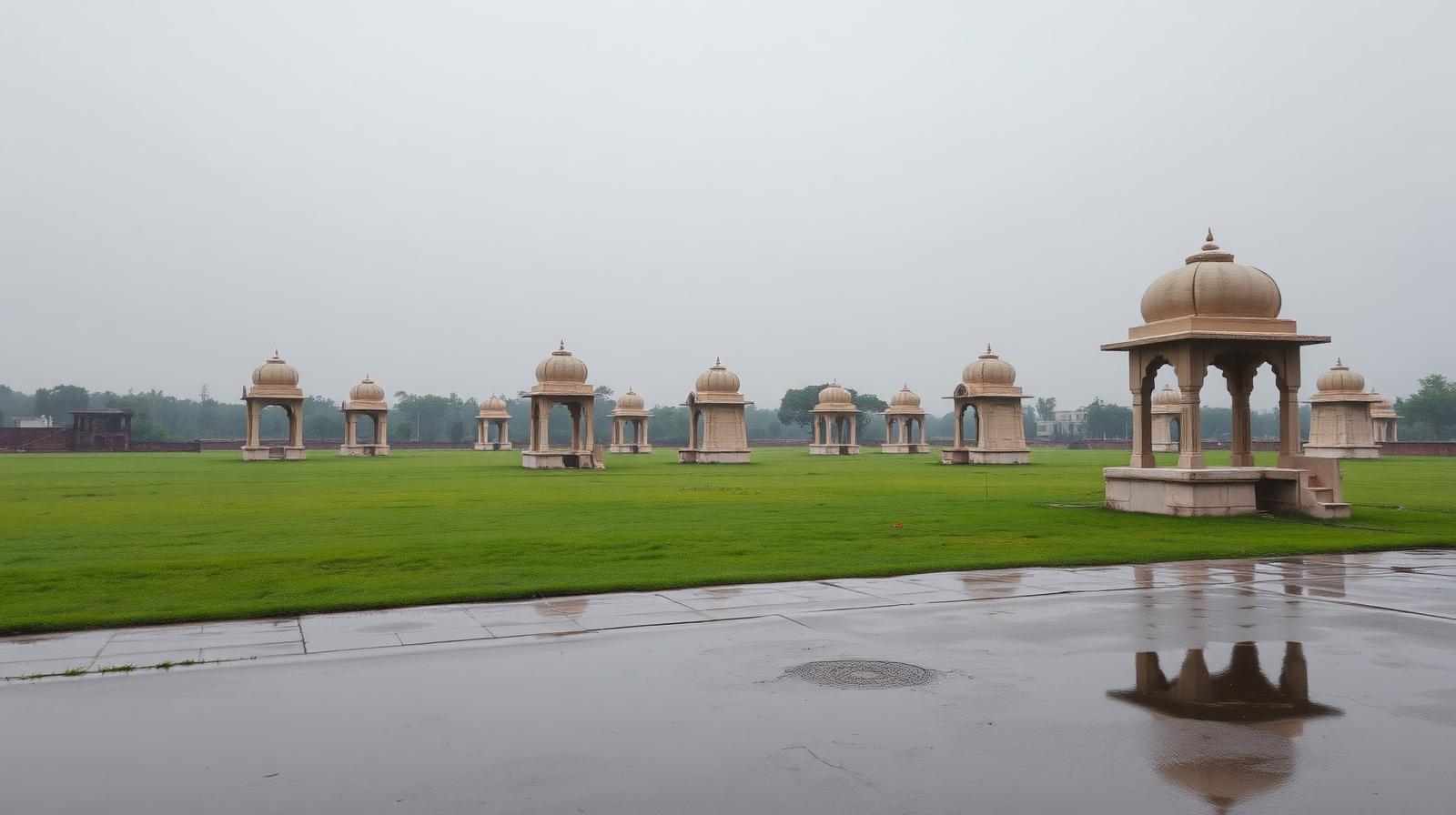
Why the chhatris look most alive when they are most empty — a monsoon morning among the kings.
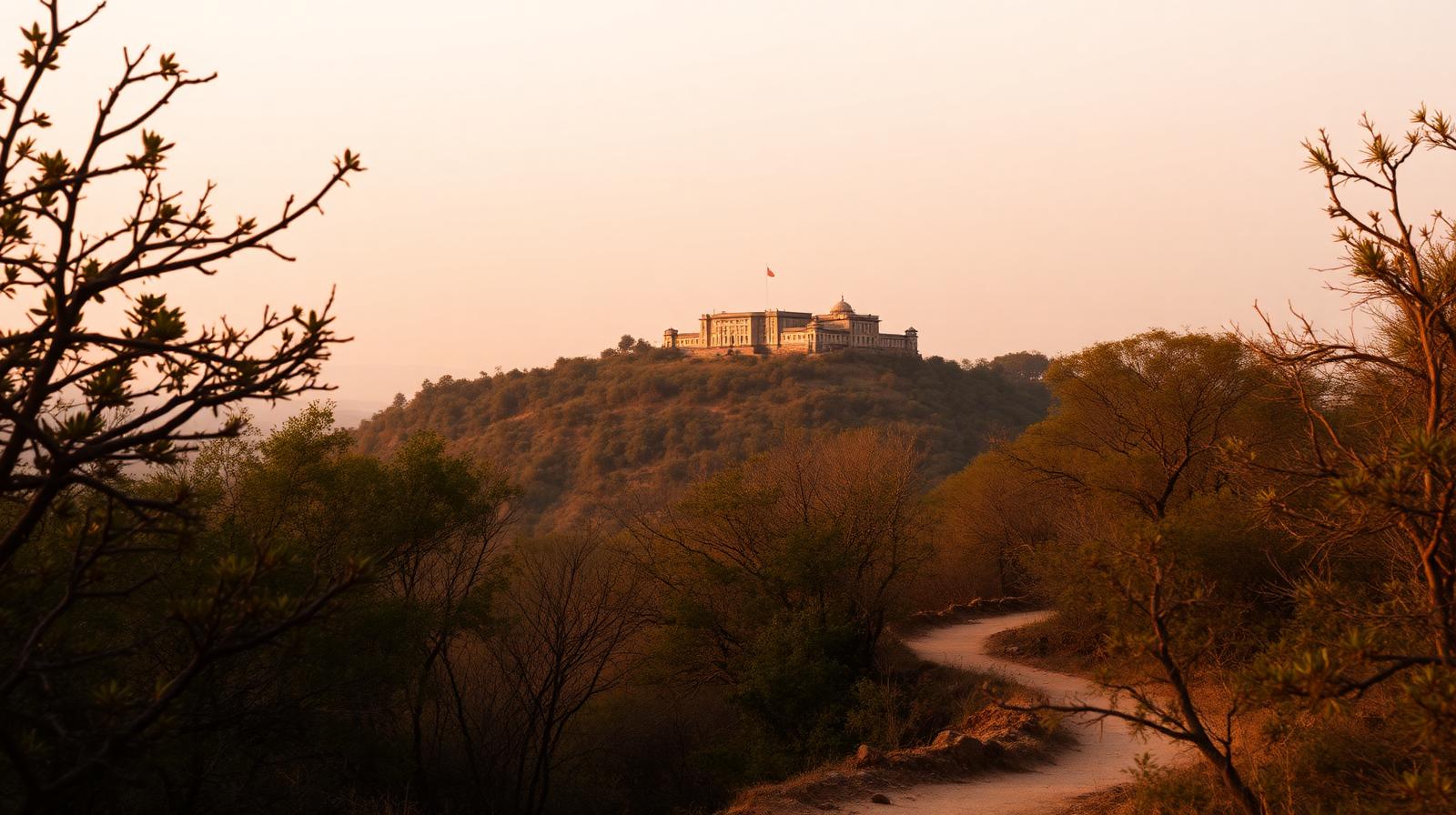
A 90-minute walk through the wildlife sanctuary instead of the road — quieter, and with the better light.
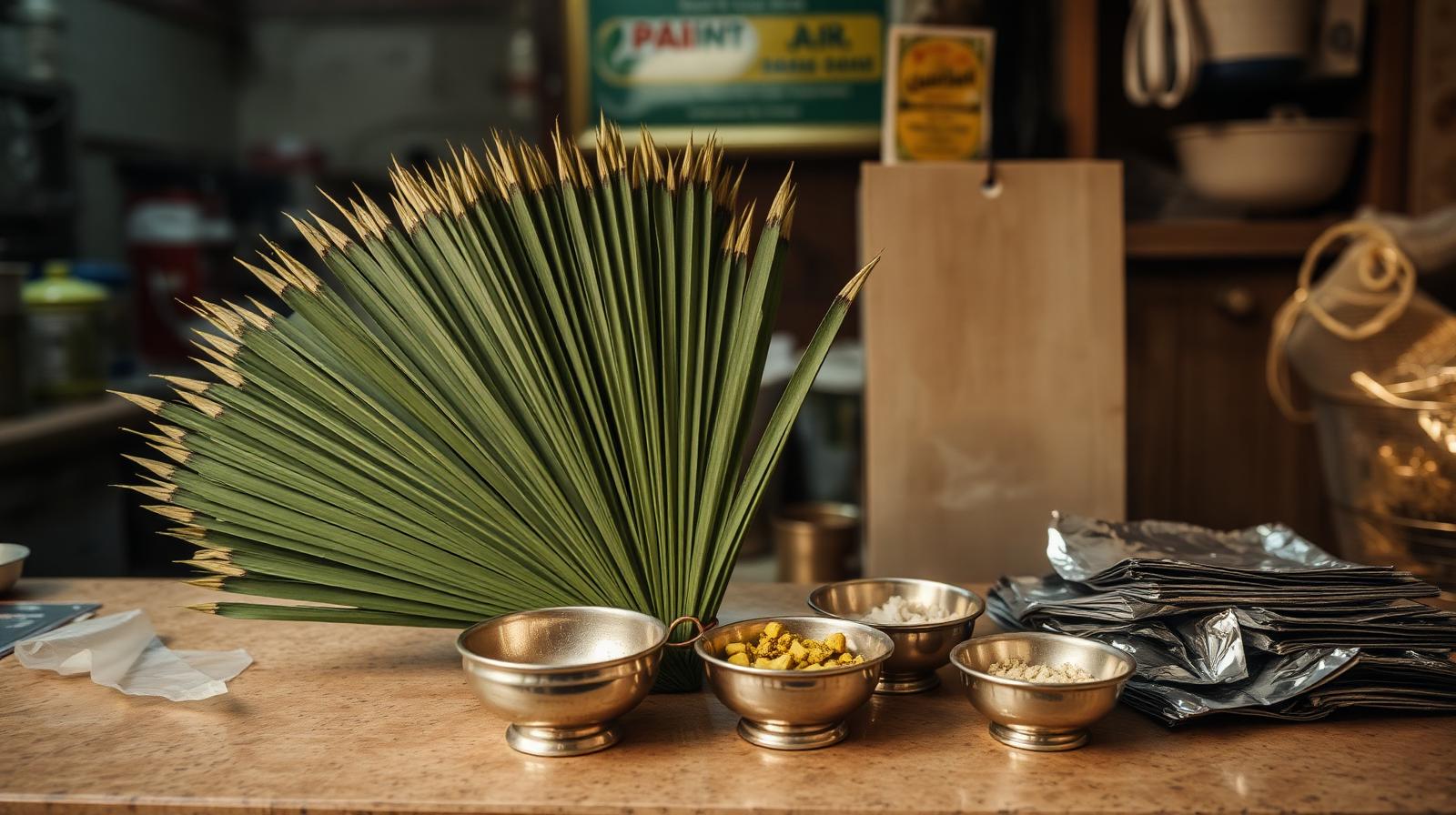
Four counters in Hathi Pol that have outlived three generations of fashion and one of traffic.
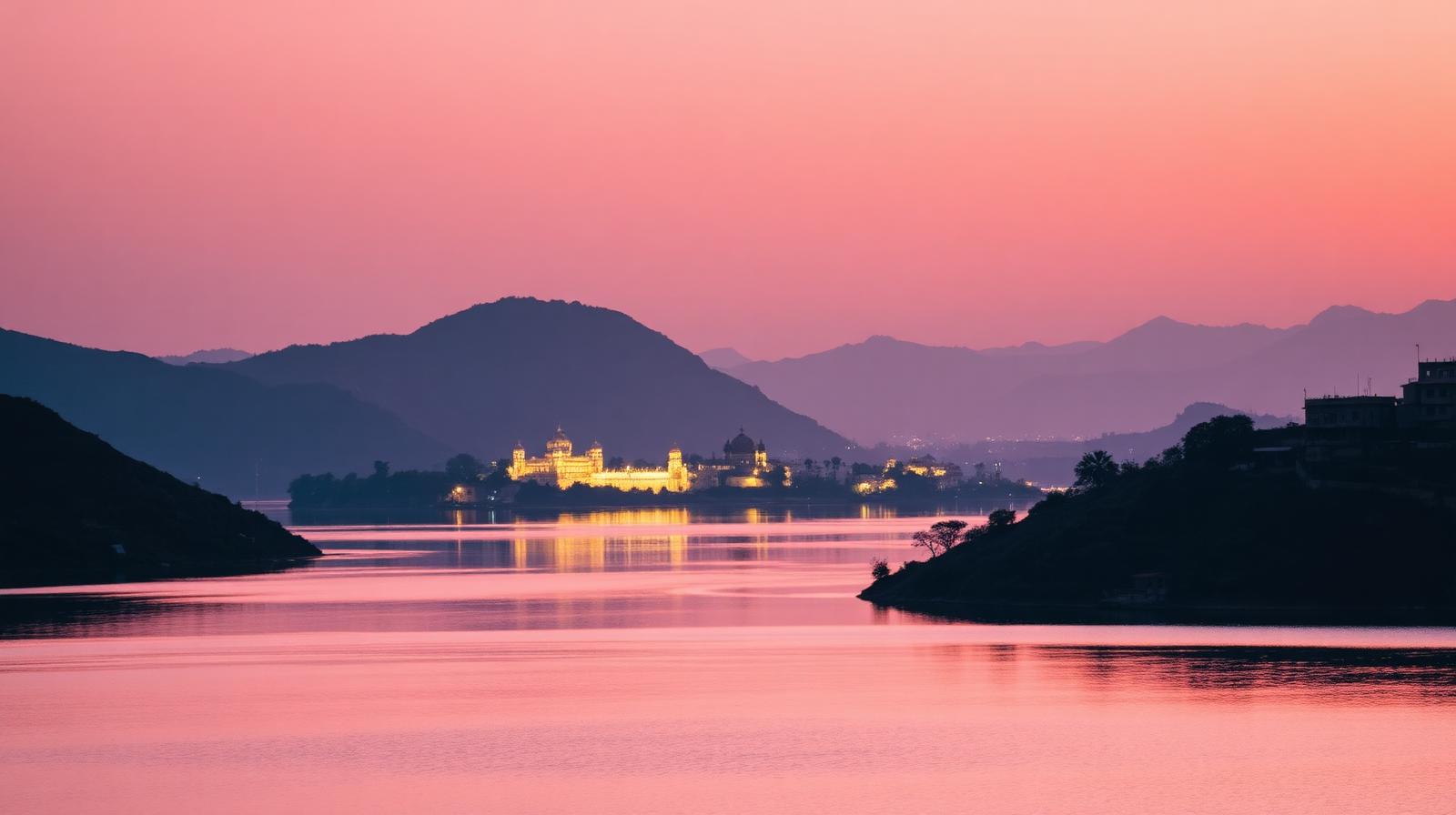
Why the city’s smallest lake holds its widest sunset, told from the cable car most locals still use.
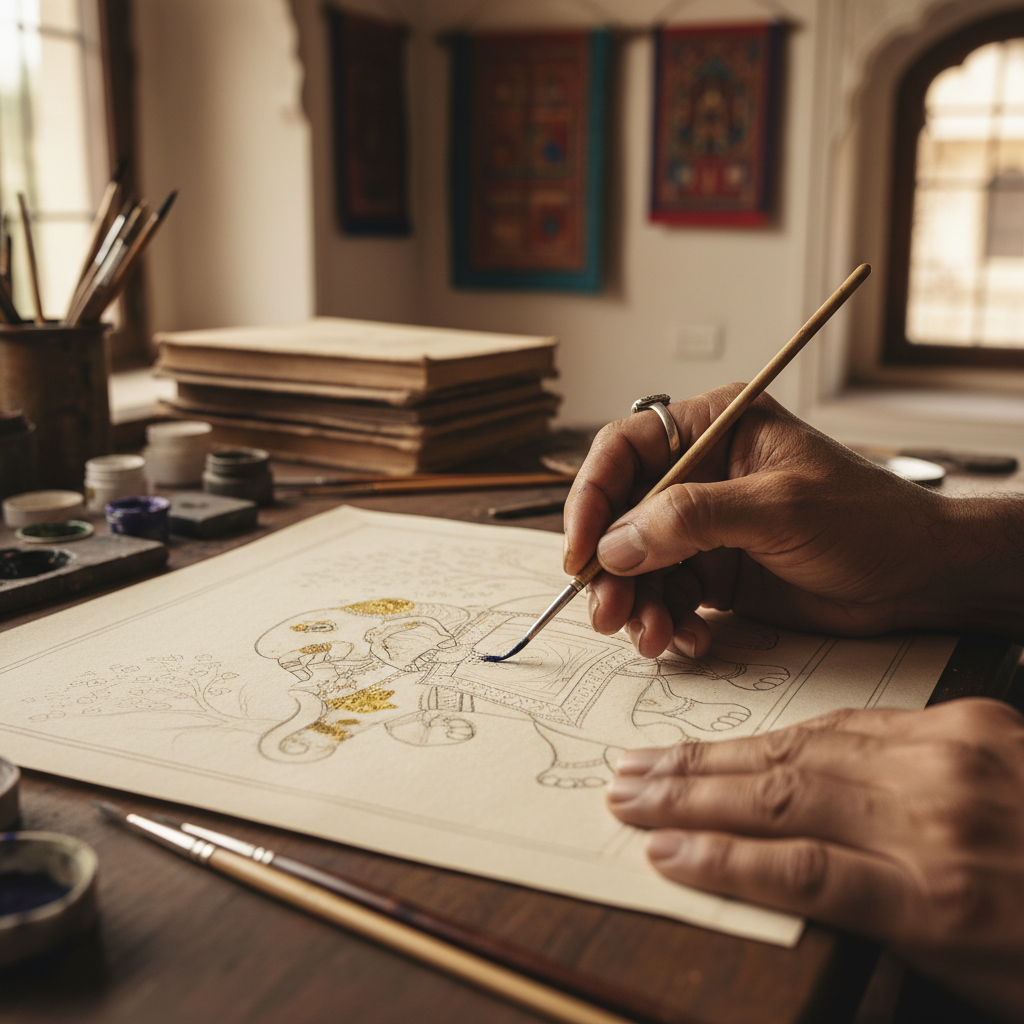
Inside a five-generation family studio near the temple district, where peacocks are still painted slowly.
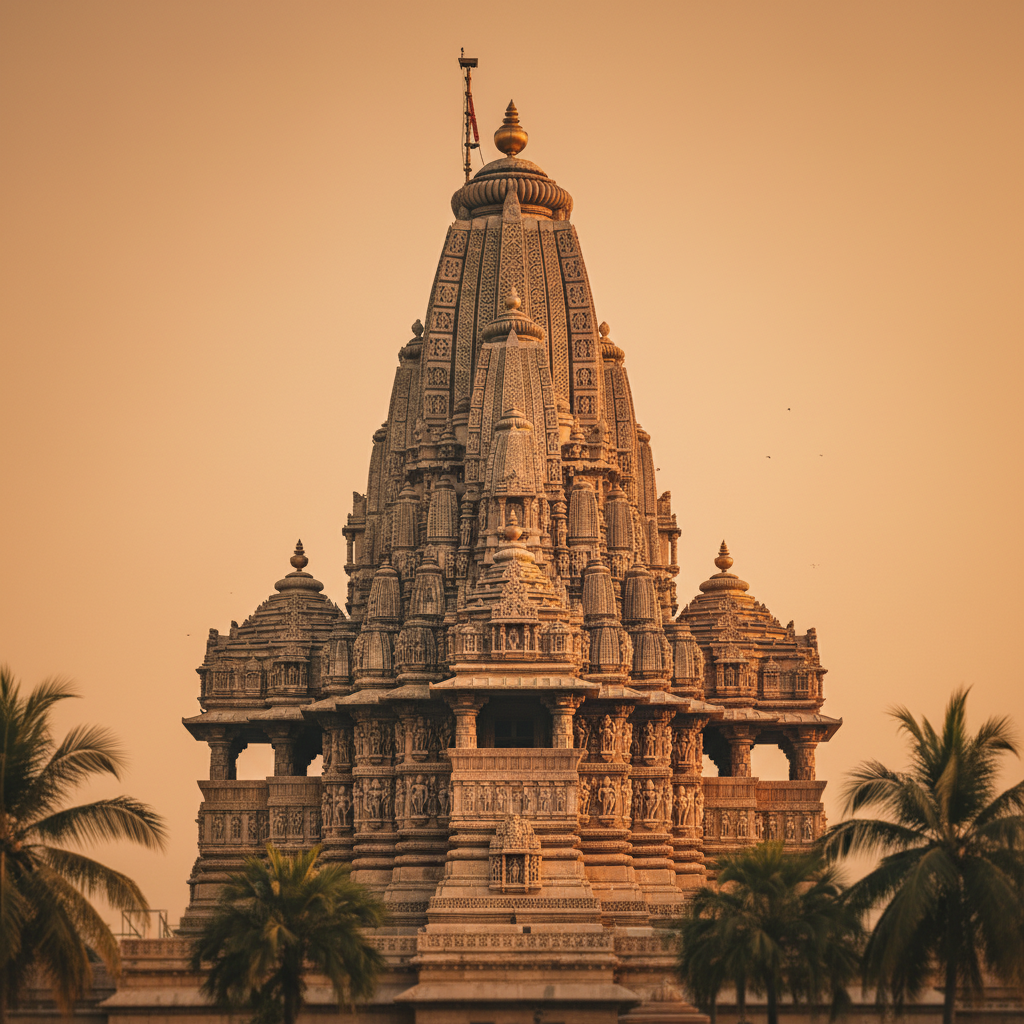
The seventeenth-century shrine in the centre of the old city, read panel by patient panel.
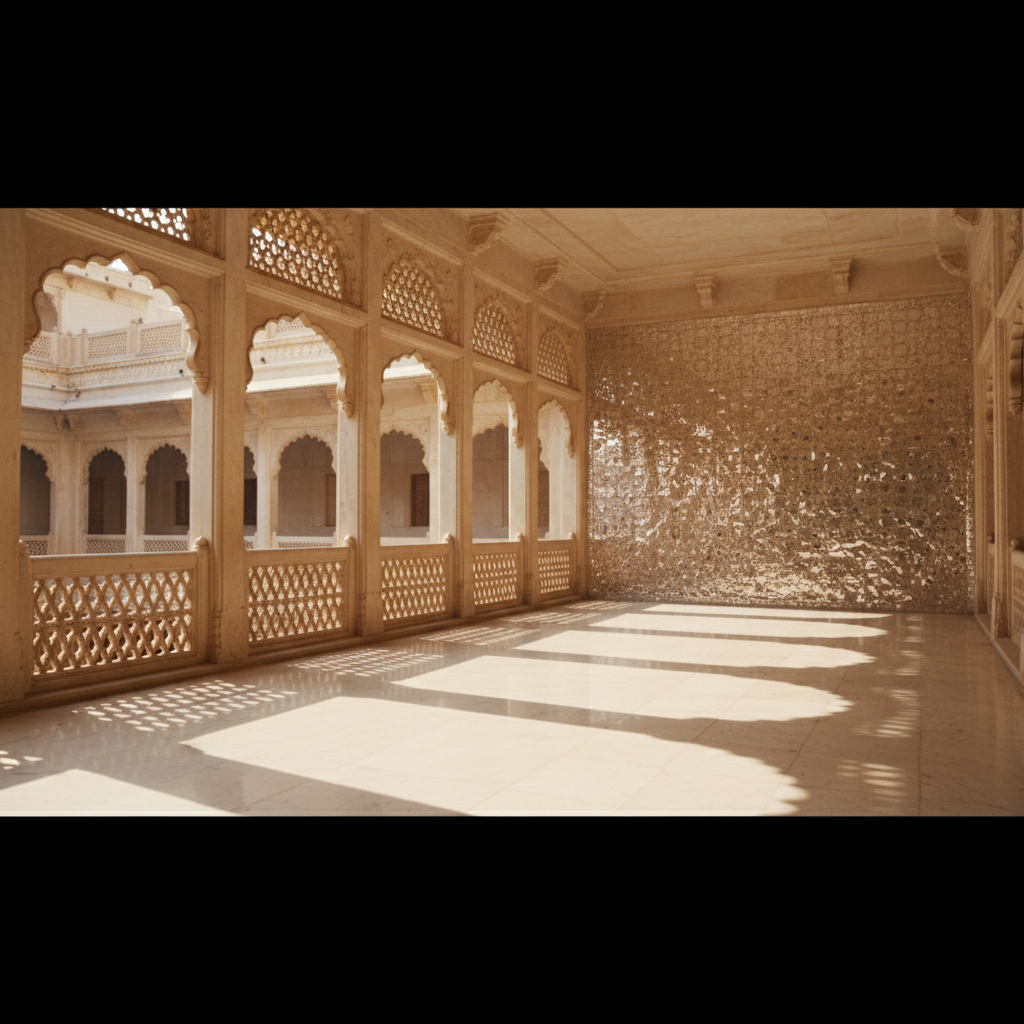
The women’s courtyards behind the public route — what they were for, and what they still hold.
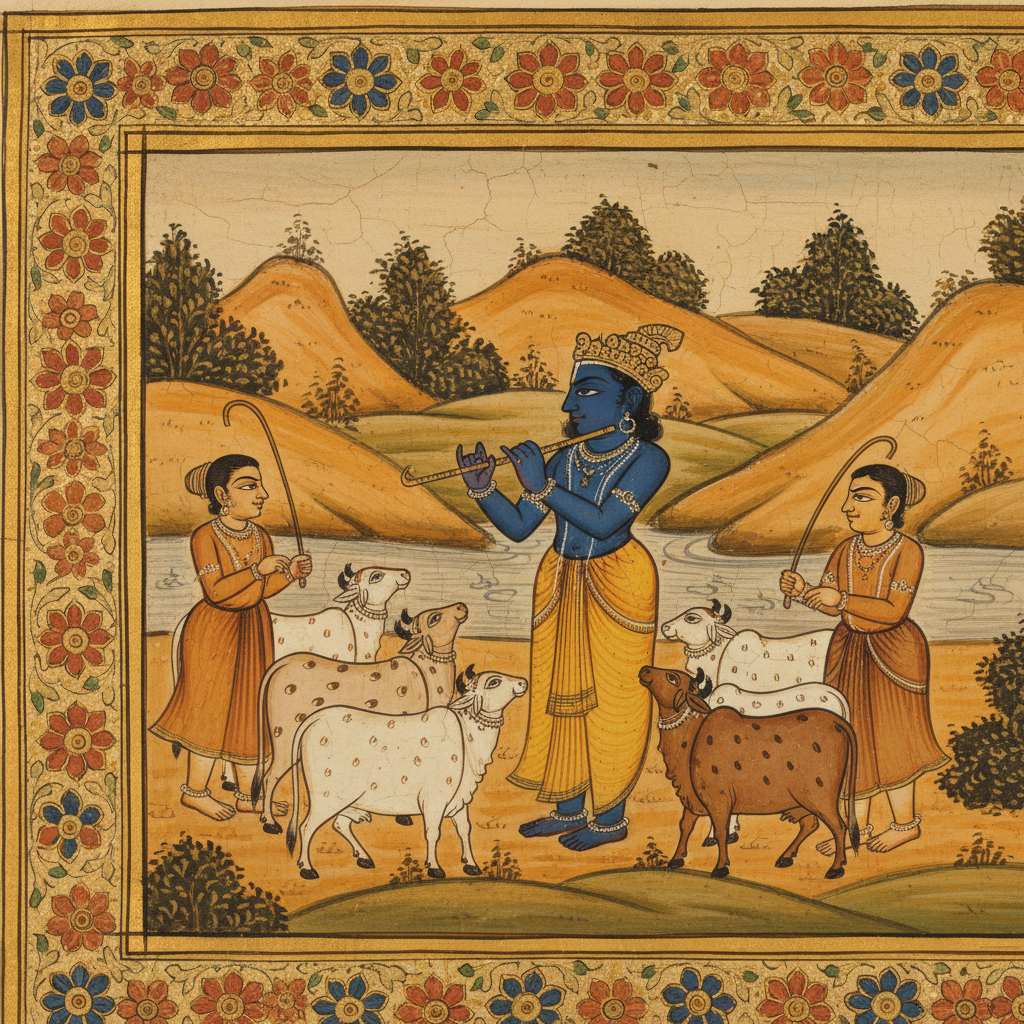
How to read a Mewar miniature the way a courtier would have — colour, line, animal, sky, silence.
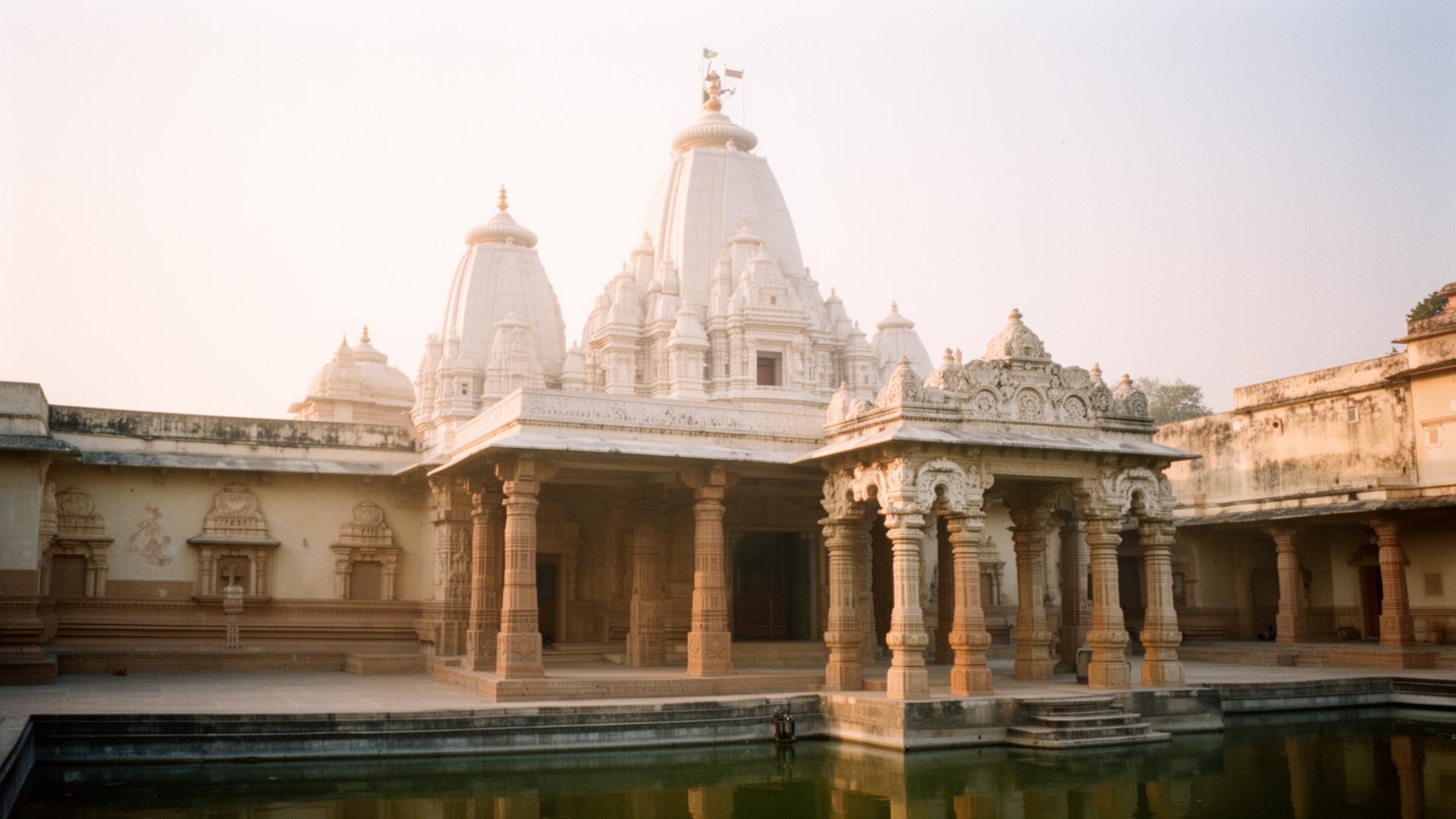
Why every Mewar ruler still rules in the name of a stone deity — and what that means at the temple gate.
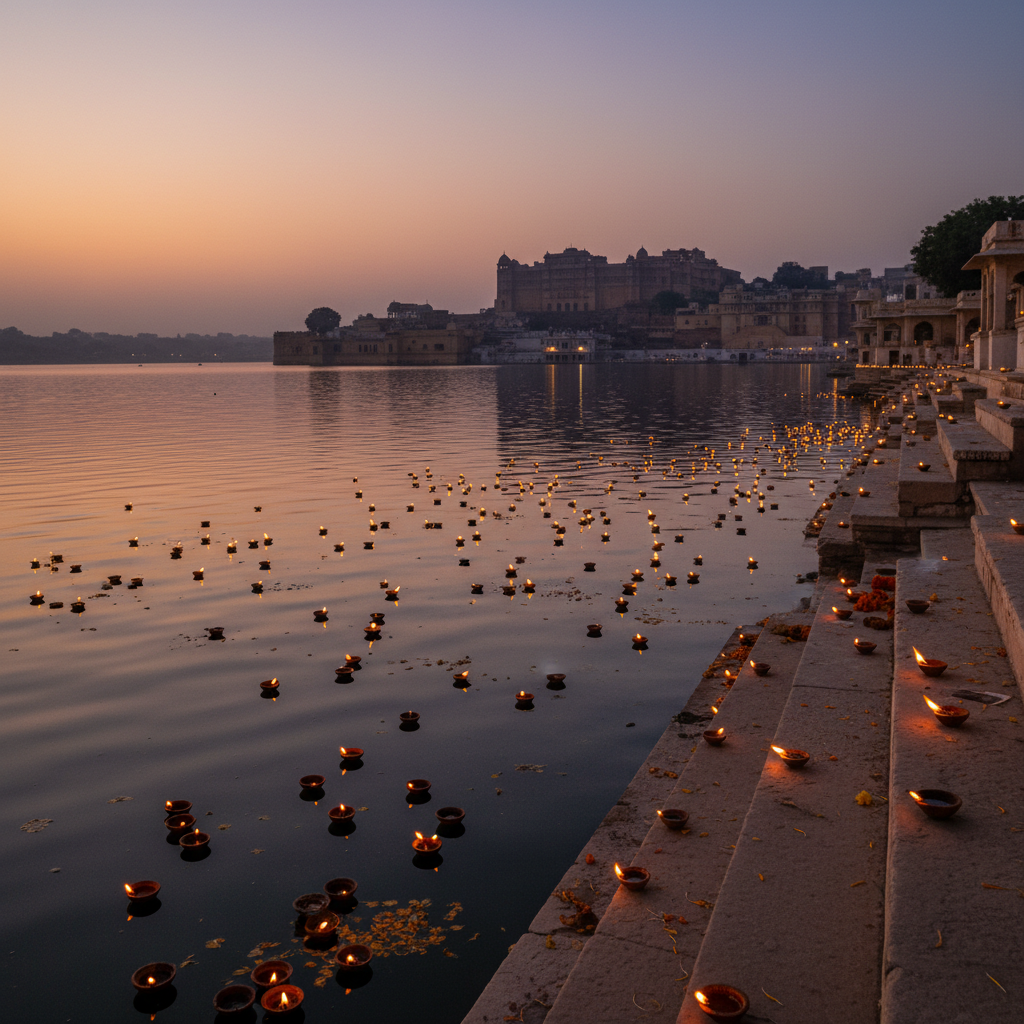
The half-hour after the lamps are lowered, when the ghats belong to the lake again.
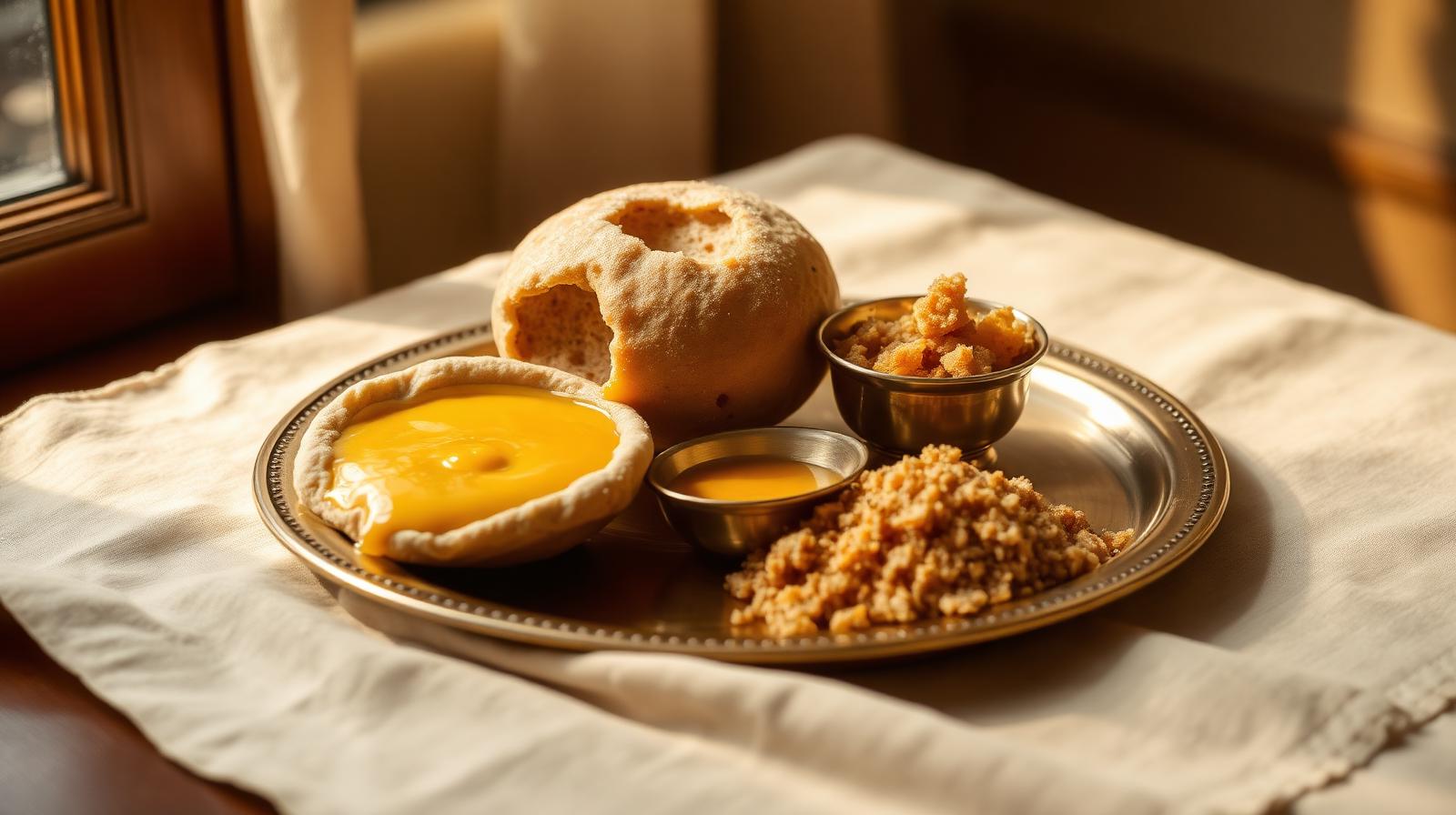
How the same trinity tastes different in every Mewar kitchen — and where the ghee really lives.
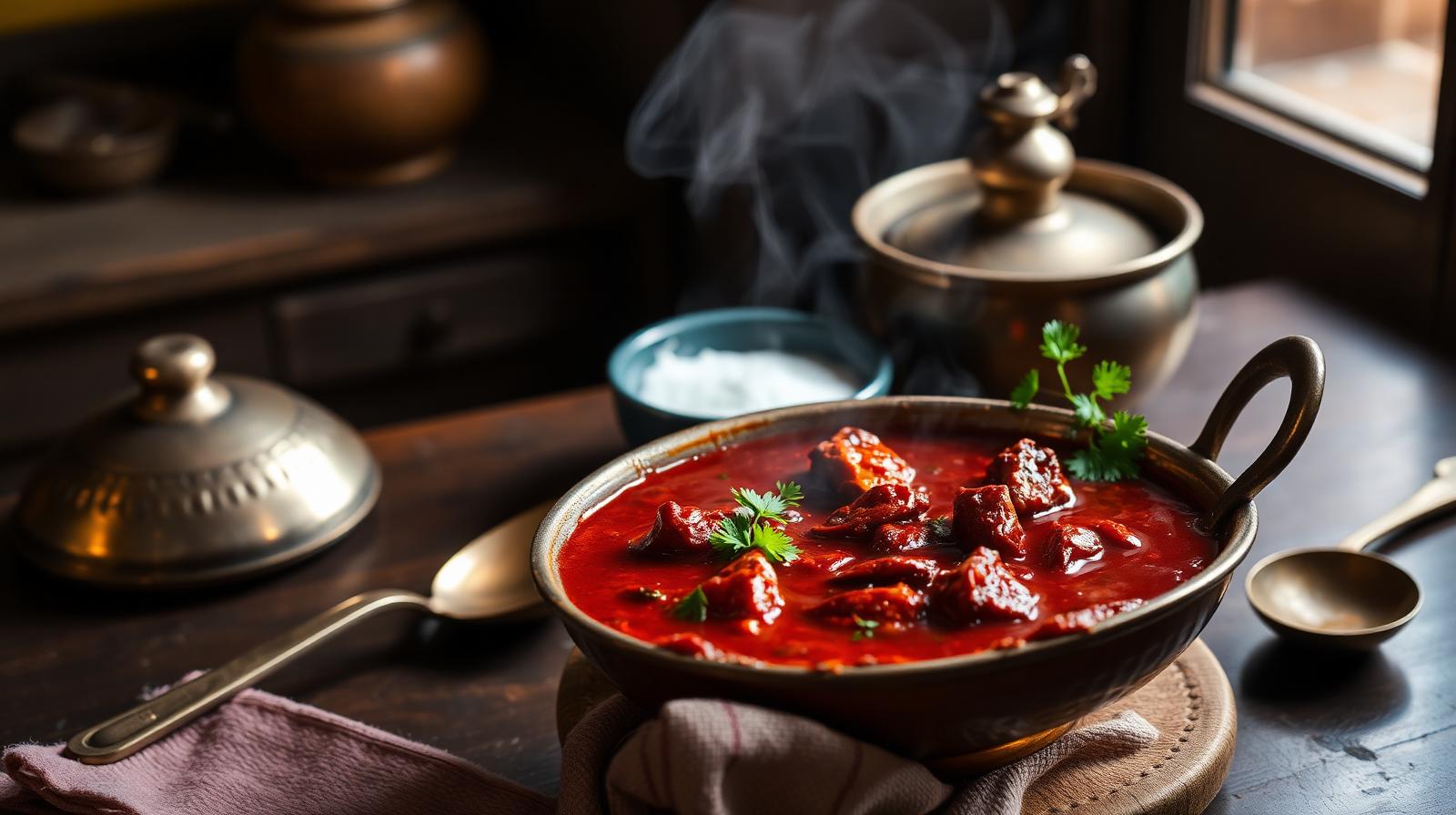
From hunter’s fire to palace table — and the four addresses where it is still cooked properly.
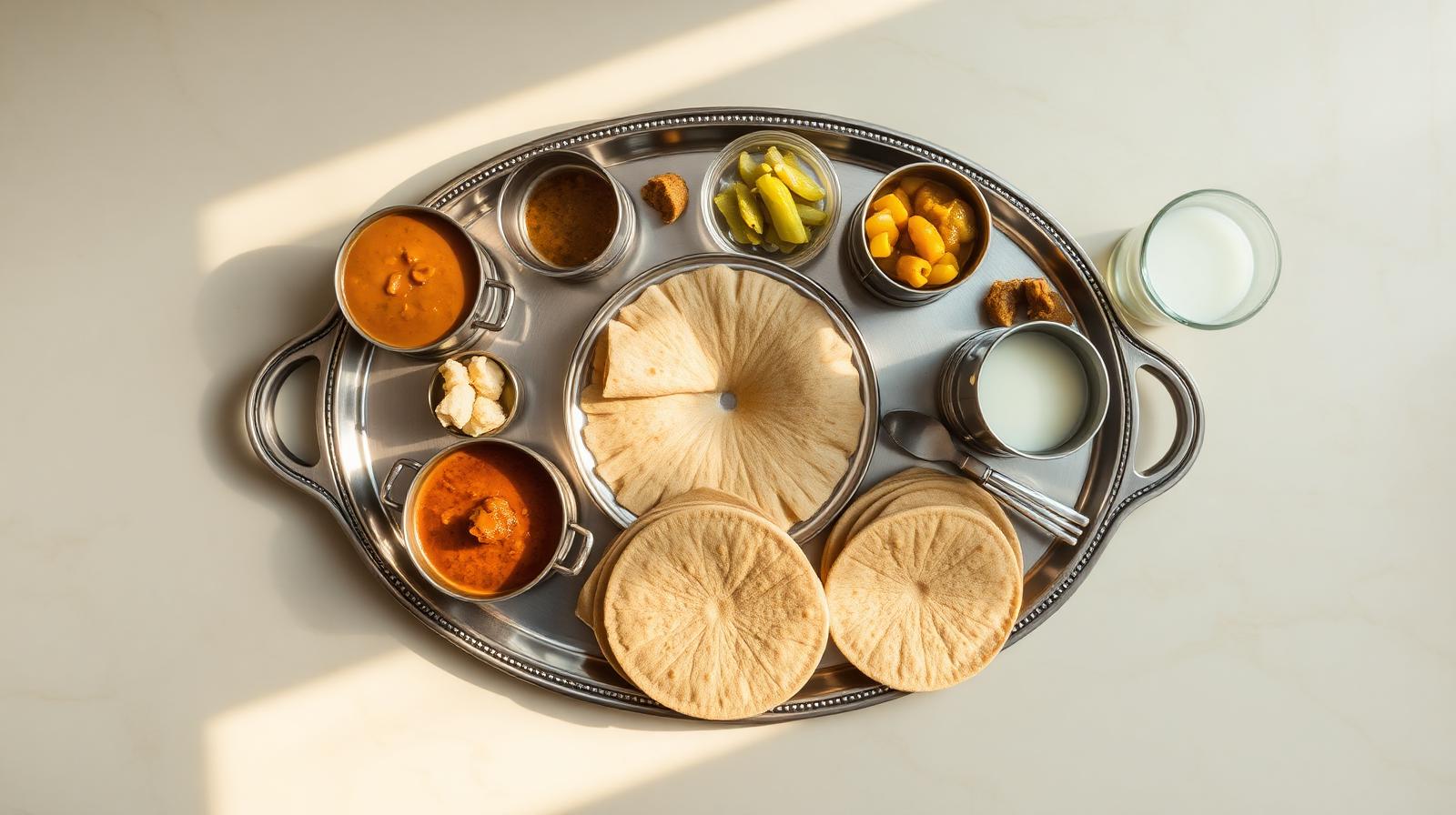
The order of dishes, the second helping, the right hand — without anyone having to instruct you.
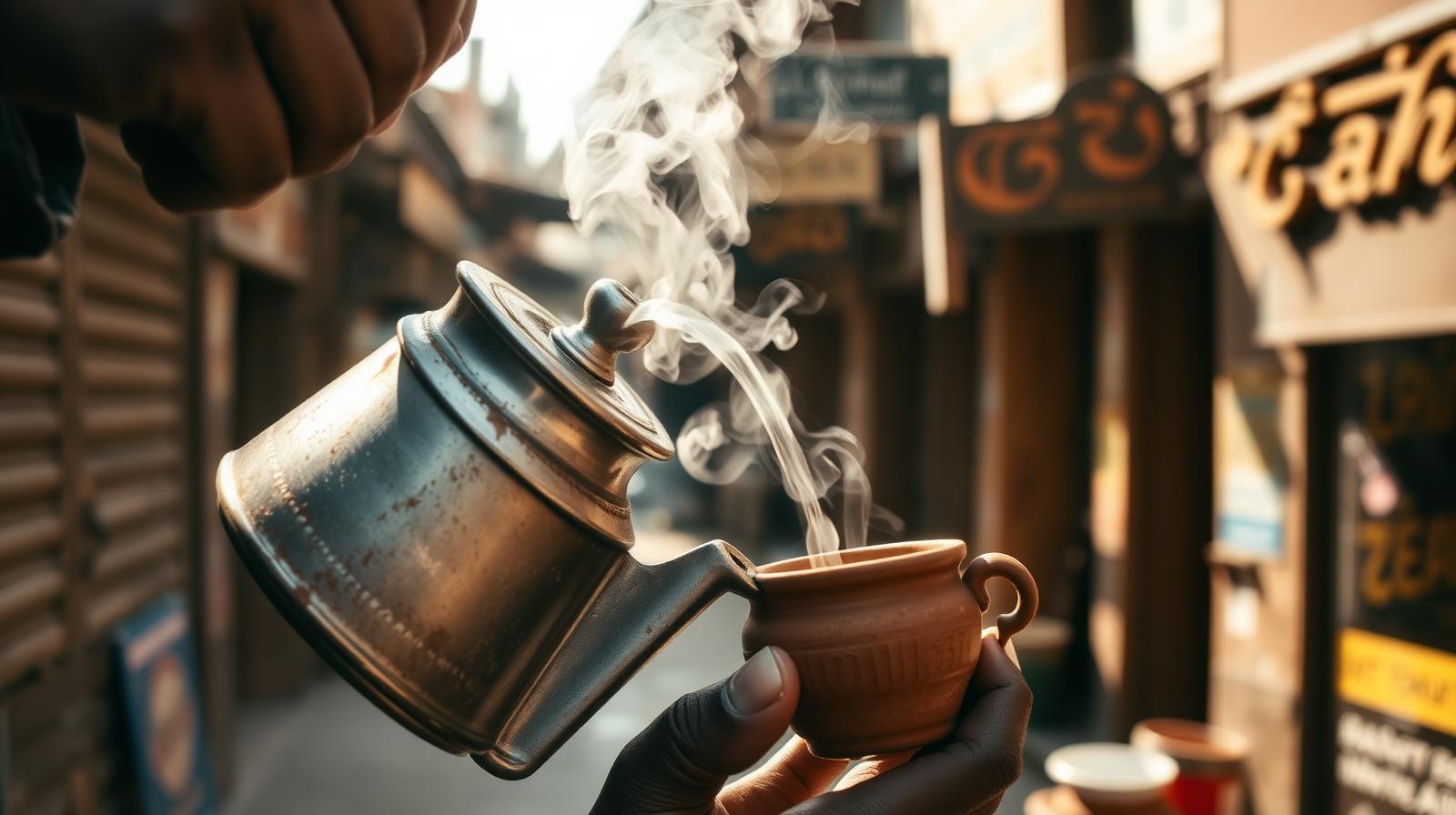
A morning route stitched together by clay cups, copper kettles, and unhurried conversation.
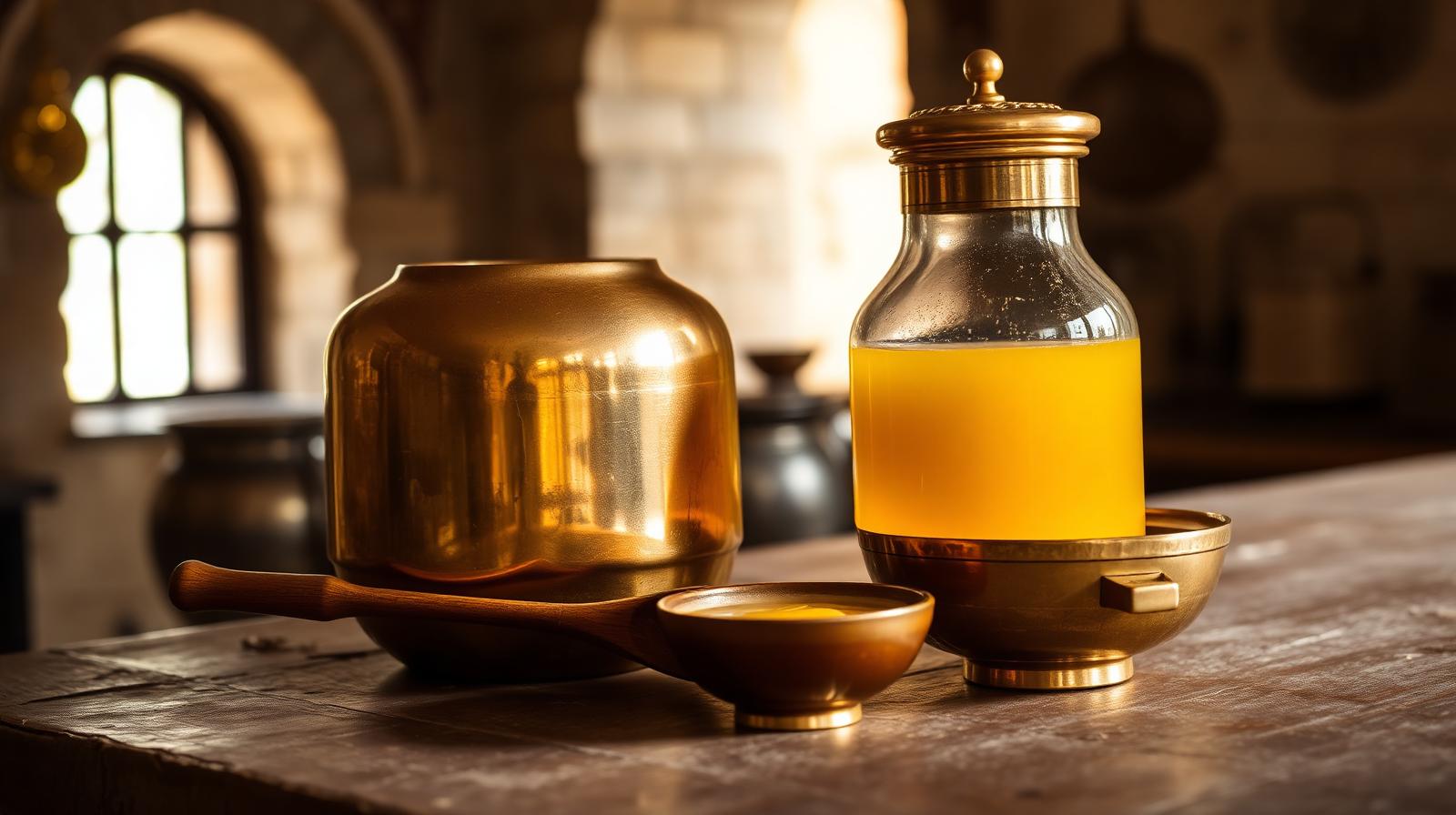
Why ghee, not spice, is the real signature of Mewar cooking — and how the palace kitchens proved it.
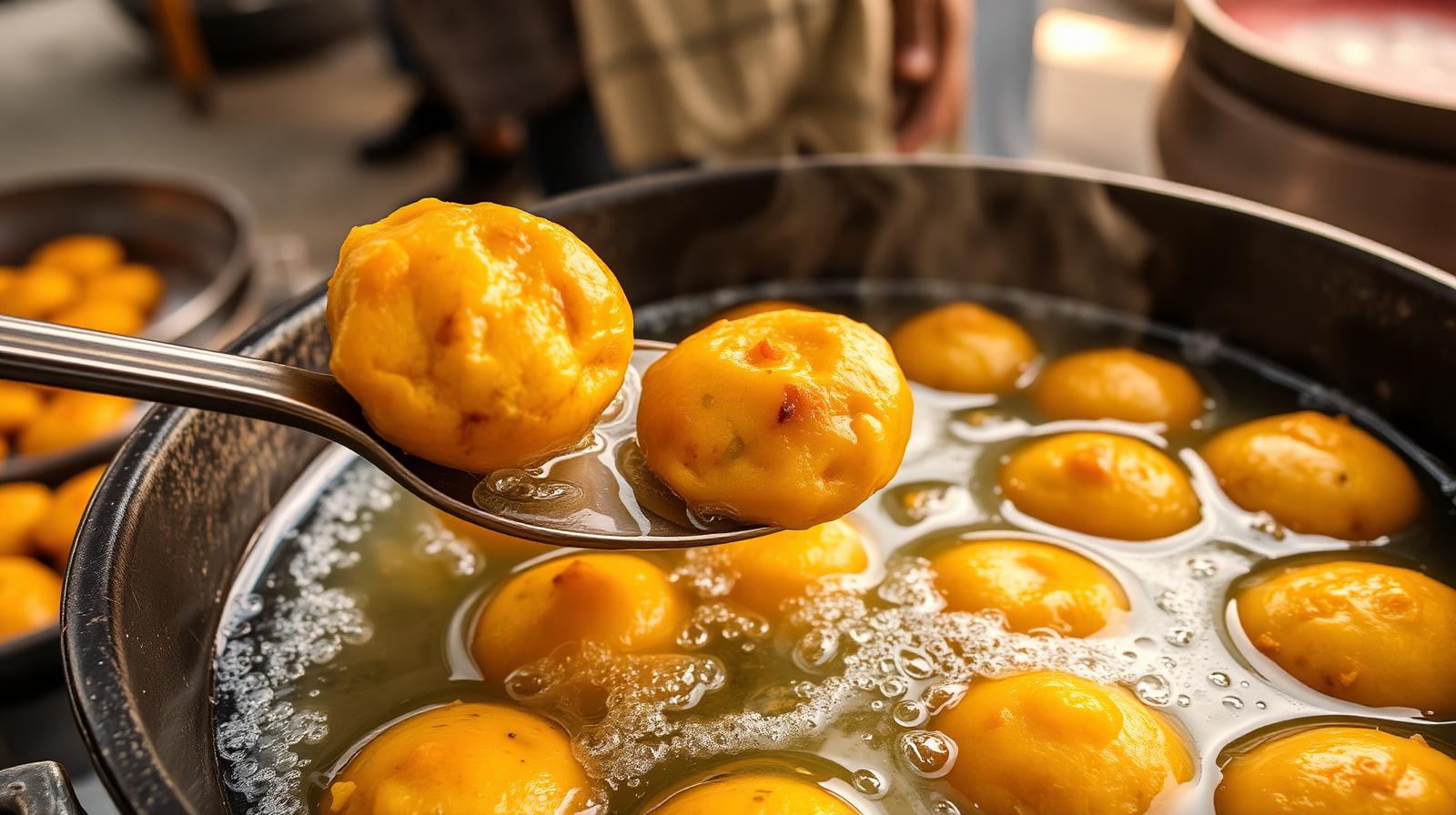
Six counters, one route, one very full morning — a slow breakfast walk through the old city.
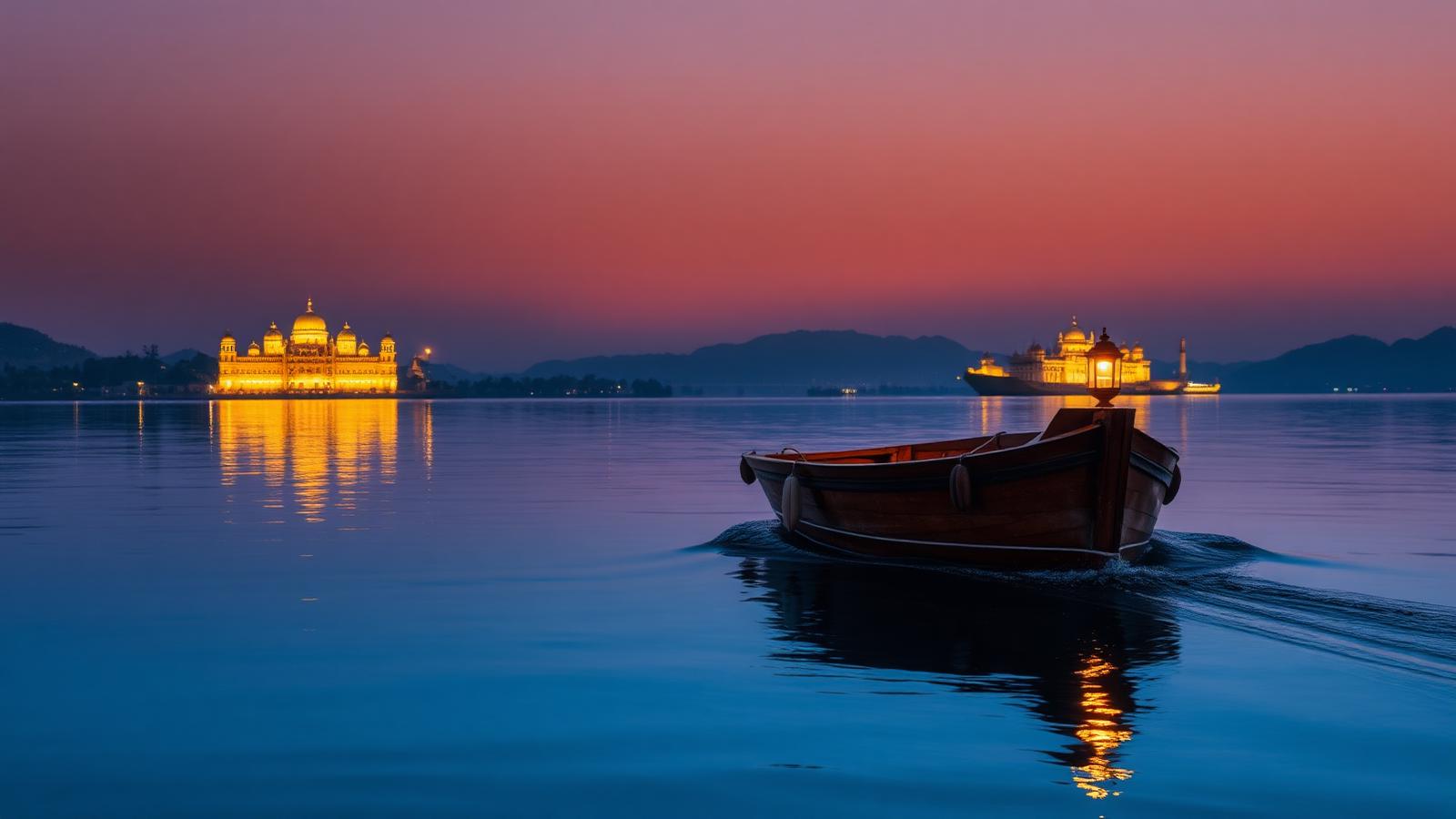
The forty quiet minutes between the last sun and the first lamp — Pichola crossed without other passengers.

Two hours in a 1950s convertible — the road to the wall, the wall to the fort, done slowly.
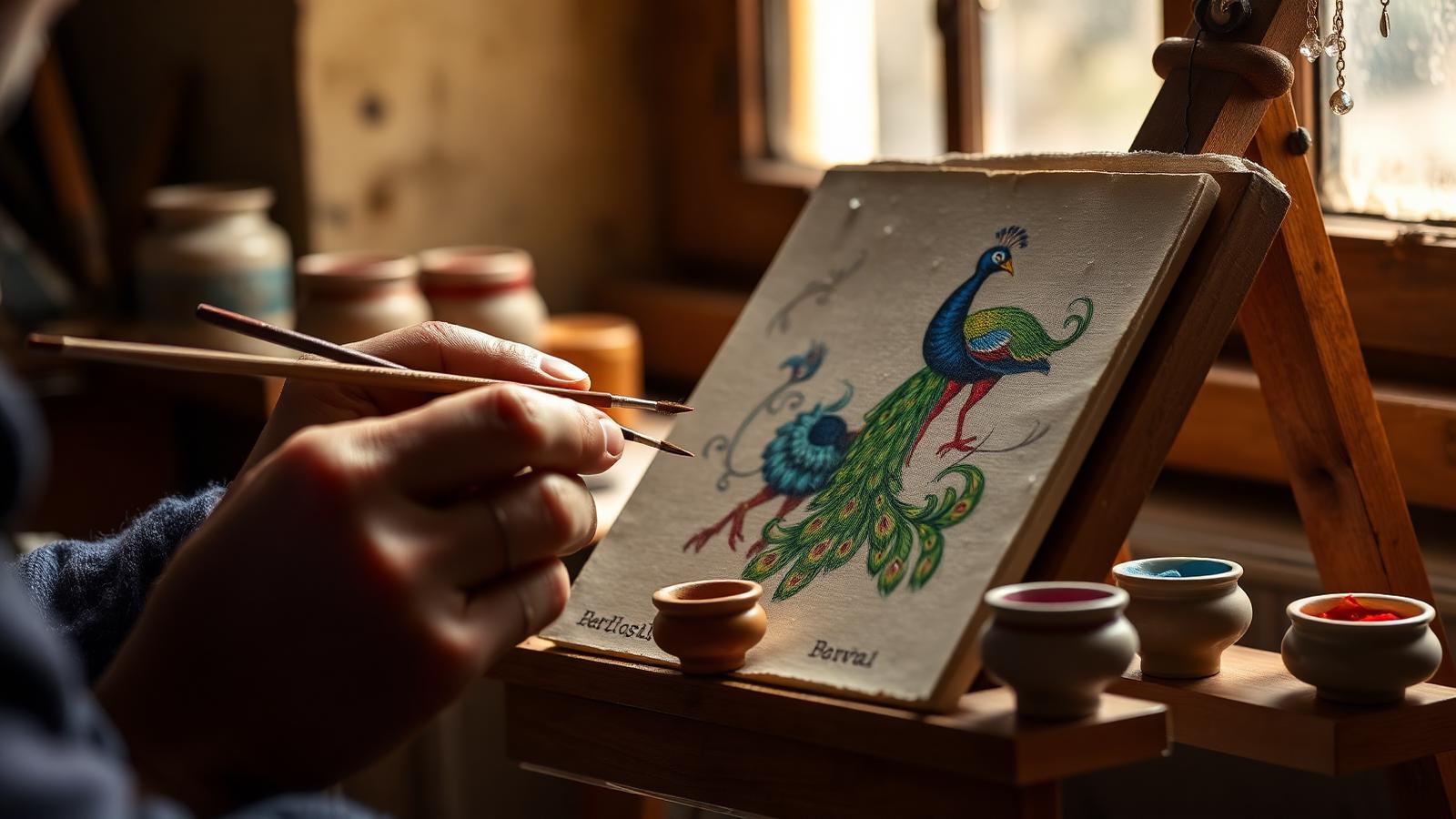
Three hours, one squirrel-hair brush, one peacock — finished slowly, in a fifth-generation studio.
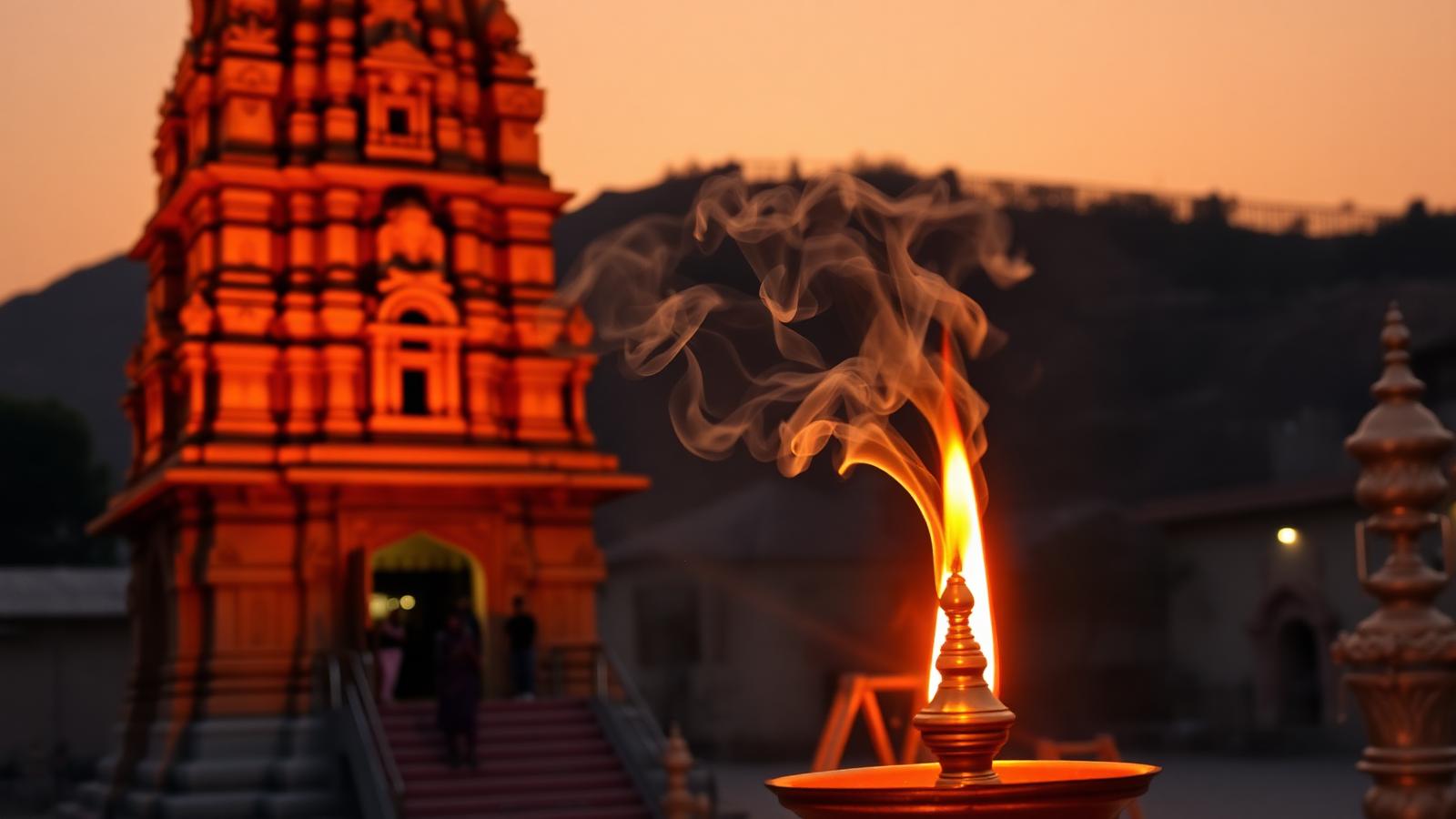
How to attend the evening aarti as participation rather than photograph — timings, etiquette, light.
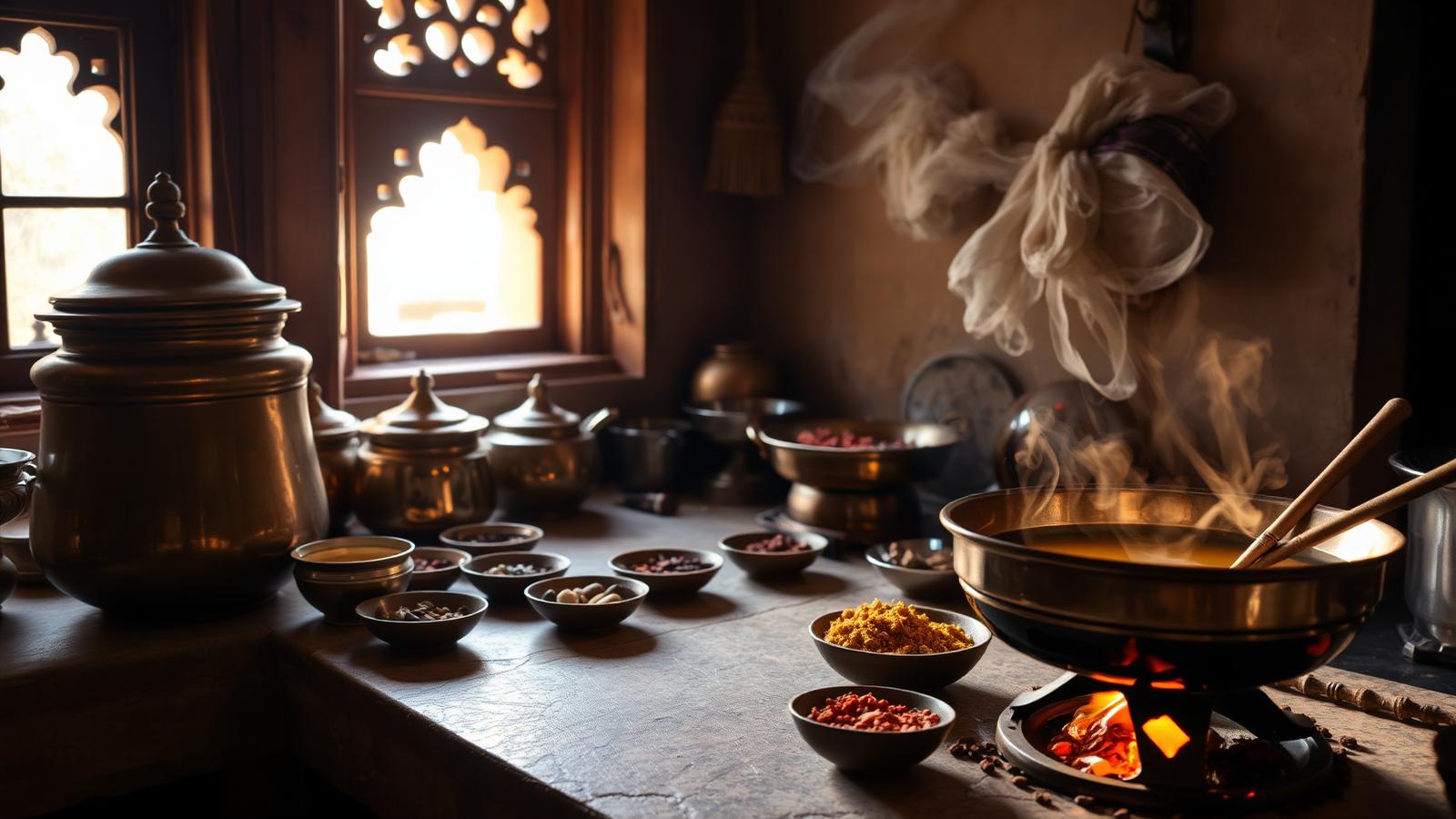
Three dishes, one chef from the palace lineage — inside a real kitchen, not a hotel demonstration room.
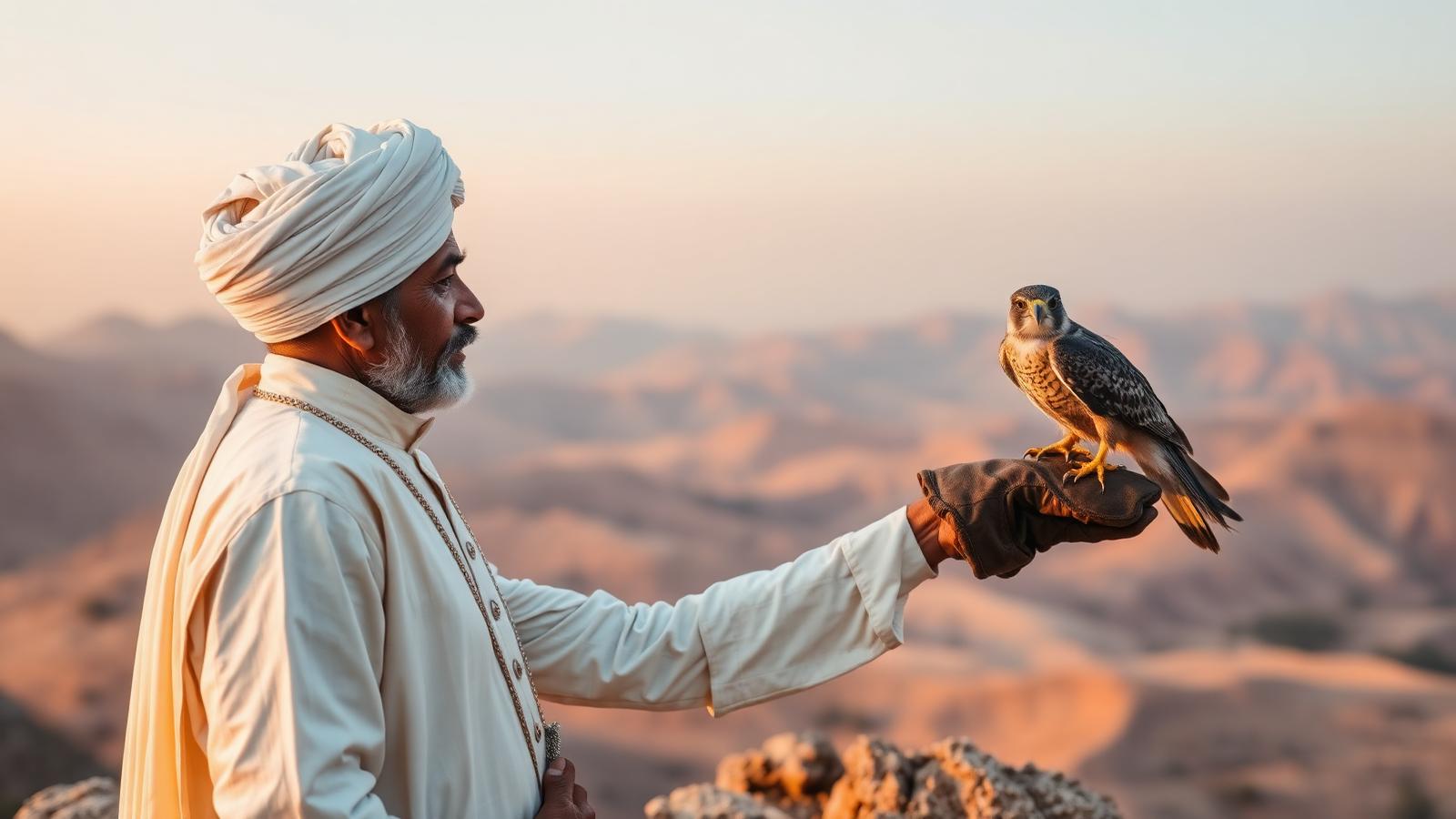
Ninety minutes at first light with a master falconer — the bird, the glove, the wind, the long walk back.
We write when there is something worth saying. New stories appear when they are ready — never on schedule, always with intention.